

Testosterone 101 - The Information You Need To Know
- Oct 23, 2025
- 8 min read
Testosterone should not be feared or thought of as an illicit substance used for doping and extreme muscular development in competitive athletes. It is a hormone that women's bodies make naturally and by the way, during her reproductive years, the female body produces four times more testosterone than estrogen. Yes, you read that correctly! Female ovaries make testosterone and some of it is then converted to estrogen. This is a crucial and often overlooked and misunderstood fact. The belief that estrogen is the dominant hormone is a myth. Testosterone is vital for women's health, it affects energy, muscular development, focus and libido to name a few.
As we approach perimenopause and menopause, just like our estrogen, our testosterone levels begin to decline. Near age 30, testosterone levels start declining around a rate of about 1% to 2% per year; so by the time we reach menopause, levels are approximately half of what they were at their peak. Before I began supplementation, my lab values showed a 0.01% level of testosterone in my bloodstream. Yep, that's a baseline of well, really ZERO! So it is no wonder I was struggling with my libido, muscle development, cognition and brain fog. I was running on empty and not one of my physicians had asked me to test these values or even suggested we evaluate using testosterone. I had to ask my physician after hearing about the benefits of adding testosterone to my HRT (Hormone Replacement Therapy) regimen from friends and from following Tamsen Fadal and Dr. Mary Claire Haver.

The History Behind Testosterone And The Industry Bias
First let's start with something Dr. Kelly Casperson shares in the first chapter of her book "The Menopause Moment" - the definition of a hormone. "Hormone - a chemical made in the endocrine gland that travels in the body to affect change". Testosterone is a hormone produced naturally in both men and women, in fact we have 50 known hormones. So why is the use of testosterone in women such a mystery? Previous to our current menopause moment, the only discussion of testosterone use in women was strictly for libido enhancement. In fact in some countries like Australia, you cannot access testosterone unless you are married - now how is martial status relevant to a women's healthcare needs?? Further, currently in the U.S., testosterone is only available off label. In other words, doctors prescribe men's testosterone and micro-dose for use in women. Testosterone is not covered by any insurance and is not FDA approved. But news flash, there are over 30 approved testosterone products for men (insert angry face)!!!
What The Science Tells Us
Because it’s gradual, some women don’t notice a decrease in testosterone. Some may experience one or more of the following symptoms of low testosterone levels but may not realize it's due to a low level of testosterone:
Low sex drive and weaker orgasms
Vaginal dryness
Changes in energy level, especially fatigue
Drops in strength and muscle tone
Thinning hair
Dry skin
Depression
Testosterone can help with:
Lean muscle mass
Core and pelvic floor muscles
Cognition
Cardiovascular health
Bone health
Recovery
Libido
Mood
Types of Testosterone
Topical Compounded Testosterone: This is the most common form of testosterone therapy for women and what I've been taking for the past few months. It's applied daily to the skin as a compounded cream, or ointment. There is a current guideline that says women should avoid using compounded testosterone unless there are no other approved options. And in the U.S., there are NO FDA-approved testosterone options for women, so prescribers have to micro-dose to fit the needs of women which can be a trail and error situation. When I first tried using testosterone cream, the dose was too high leading to hair loss, headaches and mood issues. It was simply too much, too fast. When I backed off my dosage, basically cutting it in half, everything leveled out and I felt much better.
Male Testosterone Patch or Gel: These are products designed for men but can be used in women with careful dose adjustment. Women should use about 1/10th the dose men use, but this can be hard with the gels currently available for men.
Injectable or Implantable “Pellet” Preparations: These options are not recommended for women due to discomfort, inconvenience, and difficulty adjusting dosage. Dosing with these often leads to testosterone levels that are too high and once the pellet is inserted under the skin, it takes a visit to the prescriber to remove it which is not ideal if the dose proves to be too high.
Dosage And Monitoring
How To Choose The Proper Dosage: The dose will need to be individualized. You should work with a knowledgeable healthcare professional to find what will work for you. Based on studies in postmenopausal women, the starting dose of testosterone gel was 5 mg/day (0.5 ml), which is 1/10th the starting dose used in men. Small increases can be made up to 10 mg/day (1.0 ml) if needed. My starting dose was 1.0 ml which was too much for me, so I re-adjusted to 0.5 ml and I plan to try to step back up gradually to 1.0 ml as I begin to feel like my body has adjusted and leveled off. The body, in particular hair follicles, don't like big hormonal swings. How many of you have shed large amounts of hair after a surgery or giving birth? It's a time of big hormone fluctuations so work with your provider and approach your initial dosage with care.
Follow Up Is Key: Before you begin you will need a baseline testosterone level, a lipid panel, and liver function tests should be monitored at least yearly during testosterone therapy. In order to get find the correct dosage you will want to follow up with your provider for blood work and evaluation in three month increments until you and your provider are confident that your blood work is where it needs to be, and you are feeling your best. When we are adjusting dosage, I see my doctor every three months and then every six months once all dosing is consistent.
How Long Before You Feel A Change: The benefits are often seen within 6-8 weeks, but maximum results can take up to 12 weeks, personally, I began to feel changes and a leveling off after about 4 to 5 weeks.
Possible Risks To Consider: Potential side effects include acne, deepening of the voice, hair loss as mentioned earlier, changes in lipid profile, and abnormal hair growth, however with micro-dosed amounts the risks decrease, but it important to be aware of any changes, make notes and follow up with your provider. The good news is testosterone may also have protective effects against breast cancer.
Wash Your hands: Don’t forget to cover the area where you apply testosterone and wash your hands after applying to your skin so you do not risk transferring them to your children or your spouse.
Non HRT Options
Zinc - Zinc is important during menopause because it supports hormone balance, bone health, and emotional well-being. It helps regulate the hormones that influence mood, supports the production of estrogen, and is involved in bone formation, which is crucial as women are at a higher risk for bone disease during this time. Zinc also helps with physical symptoms like vaginal dryness, mood swings, and fatigue. The recommended daily intake of zinc for adult women is 8 mg. However, some studies suggest that higher doses of zinc may be beneficial for women experiencing menopause. A study published in the Journal of Alternative and Complementary Medicine found that women who took 30 mg of zinc per day for 12 weeks had improved hot flushes and night sweats. I take 30 mg of zinc daily in my AM & PM Life Time multivitamin.
Magnesium - is involved in the regulation of hormones, including estrogen. During menopause, when estrogen levels decline, magnesium can help maintain hormonal balance, which may reduce symptoms like hot flushes and night sweats. It also essential for relaxation and sleep. I take 300 mg every evening before bed. The National Institutes of Health recommends that females 31 years old and older consume 320 milligrams of magnesium per day from food or a supplement.
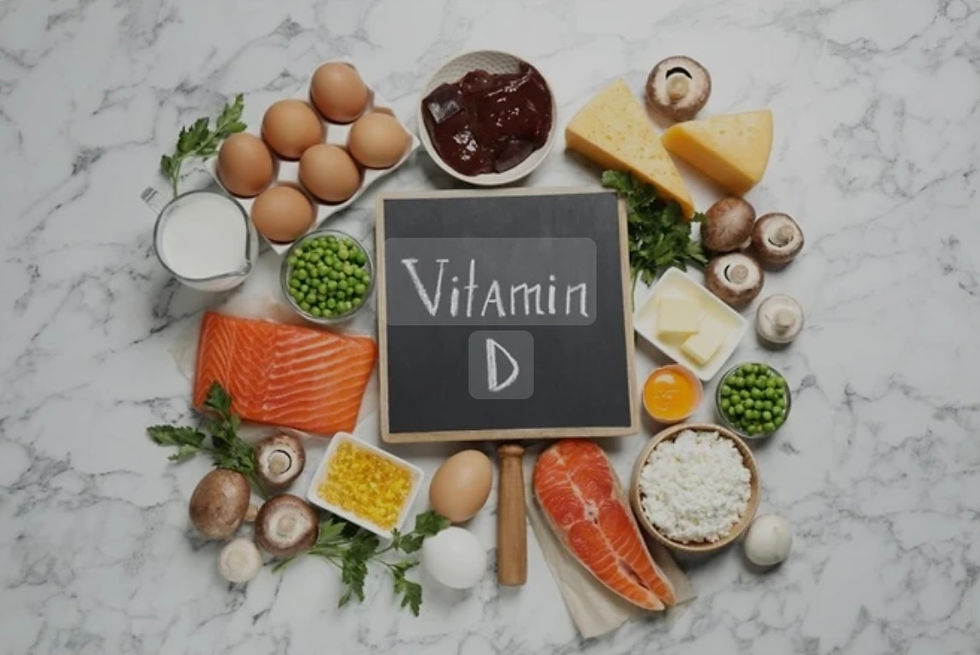
Vitamin D - offers many benefits during perimenopause and menopause:
Improved bone health - by aiding calcium absorption.
Supports muscle strength.
Regulates mood - alleviating depression and anxiety.
Supports overall immune function and metabolic health.
Improves cholesterol.
Helps reduce inflammation.
I take a combination vitamin D (1,000 IU) and vitamin K (200mcg) drop every morning. The recommended daily intake (RDI) of vitamin D for women varies depending on age - women age 14 to 49 should take 600 IU daily, after age 50, 800 IU as vitamin D absorption decreases with age and women over 50 are at increased risk of osteoporosis.
DHEA - an is an oral supplement that stands for dehydroepiandrosterone. It is a hormone made by your adrenal glands. While scientists don’t know everything DHEA does, they do know it works as a precursor to male and female sex hormones, including testosterone and estrogen. Precursors are substances that your body turns into active hormones. So DHEA can be used as a work around to testosterone, but is much less effective as it does not convert to estrogen like real hormone therapy. Supplementation with DHEA should be supervised by your qualified HRT clinician. I tried DHEA several years ago and had a bad swelling reaction in my hands, feet and joints so this is not a supplement I will try again.
Exercise - We need to move our bodies every day, be mindful of our cardio vascular health - whether it's walking, running, biking or other interval training, maintaining a health heart is crucial. Cardio vascular disease is the the number one killer of women in our country.
As exercise goes, strength training is one of the most important things you can do during perimenopause, menopause and beyond. Strength training is crucial during menopause as it helps maintain muscle mass, increase bone density, and manage weight by boosting metabolism. It can also improve mood, sleep quality, and reduce symptoms like hot flushes.
Life Style - Diet, sleep, stress, community and relationships in your life play a critical role in how you feel everyday. Adding HRT or other supplements will not replace or really enhance symptoms you may be experiencing if you are not getting enough sleep, drinking alcohol often, eat a diet filled with junk food and you have no real purpose or community to support you. Your lifestyle is an integral part of your success during this transition in your life.
Recommendations And Resources
Remember that you are the queen of your castle! You decide what you need or want to try, it has to work for you personally, but don't suffer along in silence. There are so many options beginning to open up for women. As perimenpause and menopause conversations become more mainstream, the hope is that focus and importance will shift in the direction of women's healthcare education and research. In the meantime, we need to look out for each other while we wait for the medical establishment to catch up. Share information with your friends, family and community. It's up to us to keep the conversation going for ourselves and for the next generation of women to come.
Here are a few of the trailblazing women that have helped keep me informed and educated on all things menopause, follow them on social media or grab their books, these women are smart, inspiring and literally getting it done for all of us!!
Dr. Mary Claire Haver
Tamsen Fadal
Dr. Lisa Masconi
Dr. Kelly Casperson
Here's to your Health!



Comments